Explain Different Distributed Computing Model With Detail
Table of Contents Cloud Computing Models 1. Here all the computer systems are linked together and the problem is divided into sub-problems where each part is solved by different computer systems.
What Is The Difference Between Parallel And Distributed Computing Pediaa Com
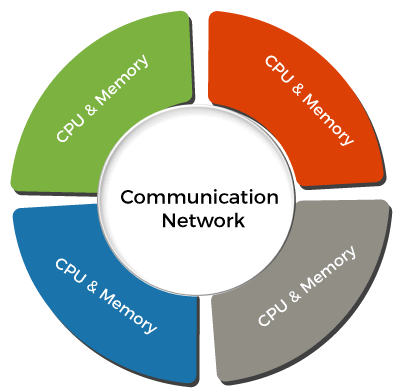
A distributed system contains multiple nodes that are physically separate but linked together using the network.
. Physical models Distributed Systems Early Internet-scale Contemporary Scale Small Large Ultra-large Heterogeneity Limited typically relatively homogeneous configurations Significant in terms of platforms languages and middleware Added dimensions introduced including radically different styles of architecture Openness Not a priority Significant priority with rage of Major. The three models that you will come across are IaaS PaaS and SaaS. Clusters peer-to-peer networks grids and clouds.
Here a problem is broken down into multiple parts. System Models for Distributed and Cloud Computing 1. A distributed computing system based on this model consists of a few minicomputers interconnected by a communication network were each minicomputer usually has multiple users simultaneously logged on to it.
Distributed computing is defined as a type of computing where multiple computer systems work on a single problem. Peer-to-Peer Network Families 4. Peer-to-Peer tries to solve some of the above It distributes shared resources widely - share computing and communication loads.
PaaS Platform as a Service Benefits of using PaaS 3. This is the most general and flexible model. Classification of Distributed Computing Systems These can be classified into 4 groups.
These parts are allocated to different processors which execute them simultaneously. In distributed computing we have multiple autonomous computers which seems to the user as single system. A computing cluster consists of interconnected stand-alone computers which work cooperatively as a single integrated computing resource.
The components interact with one another in order to achieve a. Written 61 years ago by teamques10. Distributing Computing is a type of computing in which different components and objects comprising an application can be located on different computers connected to a network distributed computing model that provides an infrastructure enabling invocations of object functions located anywhere on the network.
You can avail of these cloud services over the Internet easily. The request message consists of remote procedure parameters. The hope is that together the system can.
A distributed system is a system whose components are located on different networked computers which communicate and coordinate their actions by passing messages to one another from any system. Cloud Computing over the Internet SYSTEM MODELS FOR DISTRIBUTED AND CLOUD COMPUTING Distributed and cloud computing systems are built over a large number of autonomous computer nodes. Minicomputer Model Workstation Model Workstation Server Model Processor Pool Model and Hybrid Model 1 Minicomputer Model The minicomputer model is a simple extension of the centralized time-sharing system.
Each part is then broke down into a number of instructions. The different models that are used for building distributed computing systems can be classified as. As such the distributed system will appear as if it is one interface or computer to the end-user.
Parallel computing is a model that divides a task into multiple sub-tasks and executes them simultaneously to increase the speed and efficiency. 1Minicomputer Model The minicomputer model is a simple extension of the centralized time-sharing system. 1The caller or client process sends a call request message to the callee or server process and then waits for a reply.
Distributed Computing systems model from subject distributed operating systems SlideShare uses cookies to improve functionality and performance and to provide you with relevant advertising. These models have many distinct features. 17k modified 61 years ago.
Clusters of Cooperative Computers 2. In distributed computing a single task is divided among different computers. Explain different distributed computing models.
Distributed computing is a much broader technology that has been around for more than three decades now. Problems with peer-to-peer. In distributed systems there is no shared memory and computers communicate with each other through message passing.
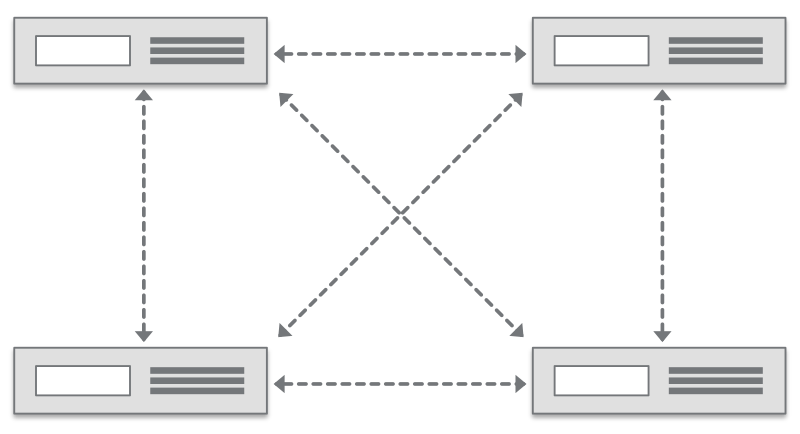
Distributed computing is a field of computer science that studies distributed systems. Also known as distributed computing and distributed databases a distributed system is a collection of independent components located on different machines that share messages with each other in order to achieve common goals. A diagram to better explain the distributed system is.
Workstation Model A distributed computing system based on this model consists of several workstation interconnected by a communication network. Grid Computing Infrastructures 3. High complexity due to Cleverly place individual objects retrieve the objects maintain potentially large number of replicas.
If you continue browsing the site you. All the nodes in this system communicate with each other and handle processes in tandem. 2On receiving the message the server process executes the procedure and returns a result in a reply message that is sent to client process.
A company organization may have several workstations scattered throughout the campus with its own. Each of these nodes contains a small part of the distributed operating system software. Simply stated distributed computing is computing over distributed autonomous computers that communicate only over a network Figure 916Distributed computing systems are usually treated differently from parallel computing systems or shared-memory systems.
The objects are transparent to the application and. They are Minicomputer model Workstation model Workstation. IaaS Infrastructure as a Service Benefits of using IaaS 2.
Distributed Computing system models can be broadly classified into five categories.

Big Data Storage Technologies A Survey Frontiers Of Information Technology Electronic Engineering Data Storage Social Data Big Data
An Overview Of Distributed Computing Hazelcast
Distributed Operating System Javatpoint


Comments
Post a Comment